Neon Bistro
Rebrand
A 46-seat bistro with great food and an empty room. Sixty days later: a 300% bigger waitlist and a neighbourhood that finally knew their name.
Waitlist Growth in 60 Days
Average Weekend Table Occupancy
Google Rating, Up From 4.1
Return on Ad Spend
The Problem
Neon Bistro had a chef worth queuing for and a dining room nobody could find. Their branding read like a 2011 café, reviews had stalled at 4.1, and 60% of covers came from a single delivery app taking 30% off the top. Weeknights averaged 38% occupancy.
The Play
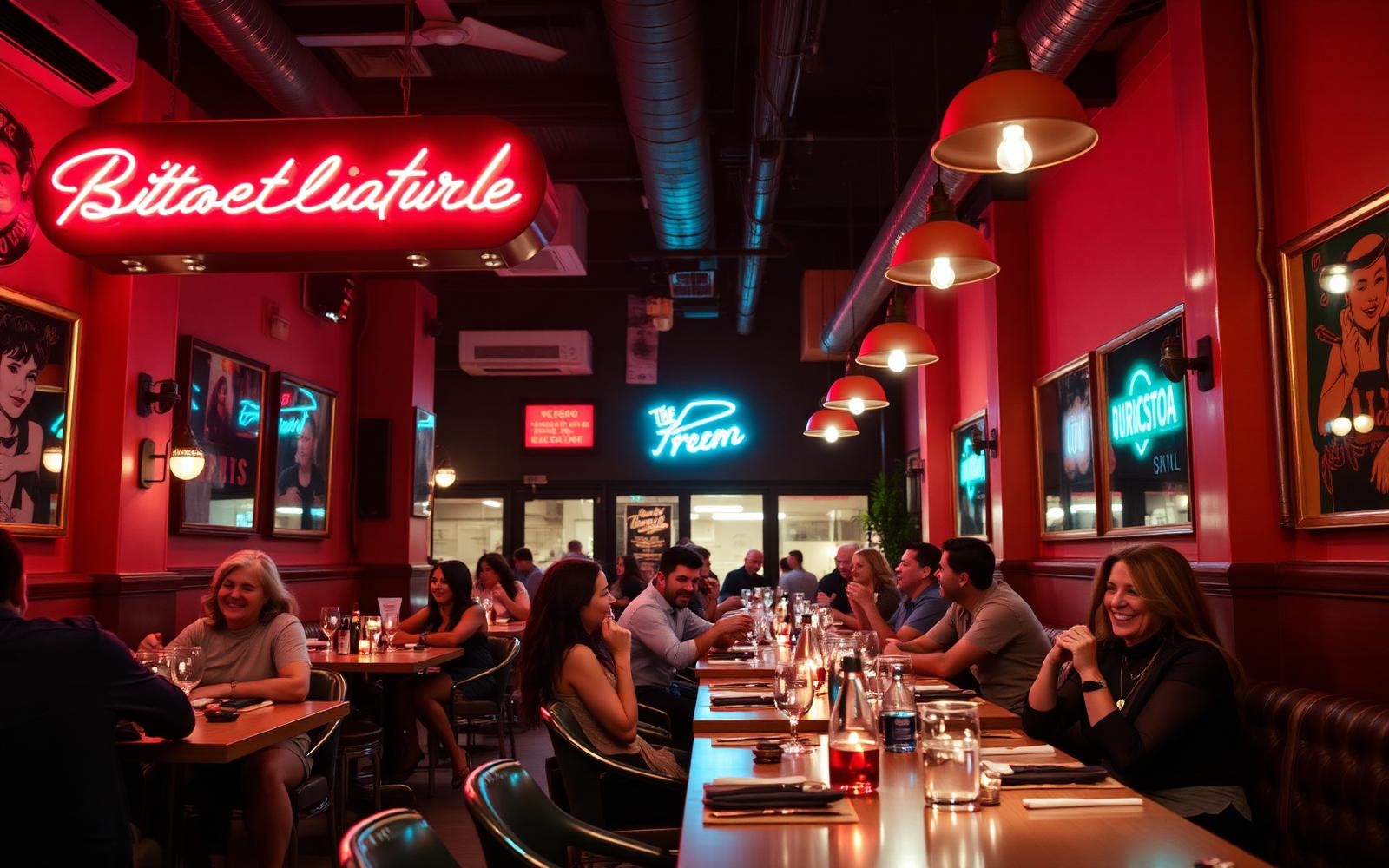
Own the neighbourhood before chasing the city. We rebuilt the brand around the room's own neon, put reservation-first ads in front of a four-mile radius, and engineered a review engine into the service flow so the algorithm did the rest.
Brand Rebuild
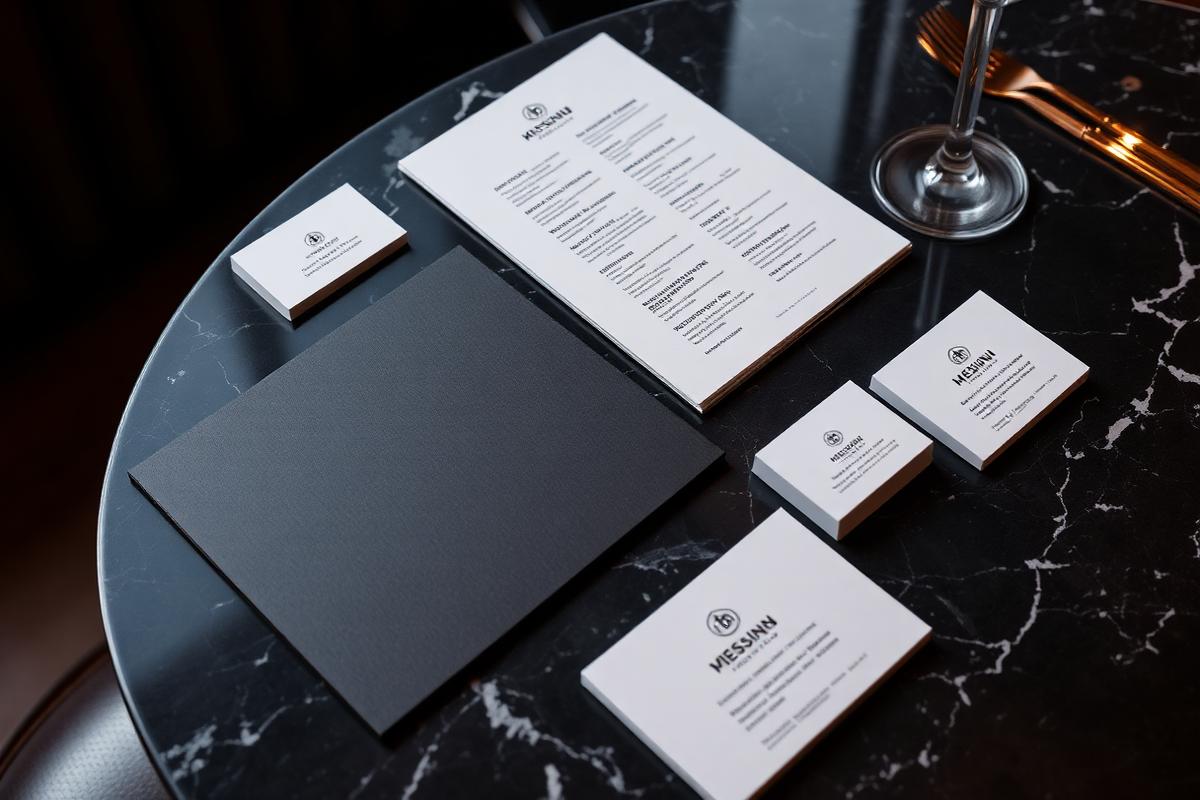
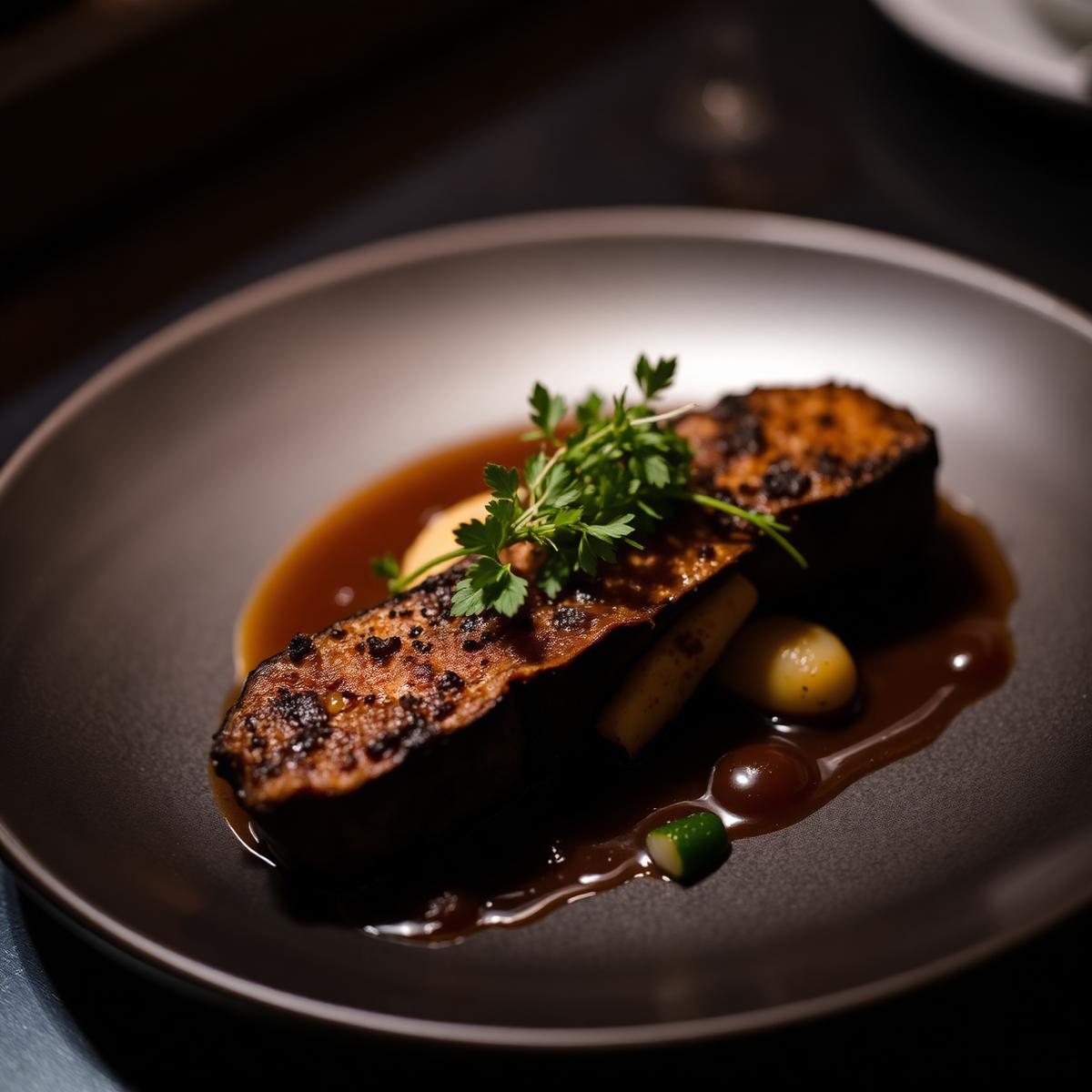
We tore down a tired identity and rebuilt it around one idea: the loudest little dining room in the city. New logotype, neon language, menu system, and photography direction.
Full-House Ads
Geo-fenced paid social targeting hungry locals within four miles plus weekend visitors. Reservation-optimised creative refreshed every 14 days to kill fatigue.
Local Domination
Google Business overhaul, review-generation flow at the check drop, and location landing pages that own "best bistro near me" in the metro.
Inside the room

Why the outcome
actually stuck
Waitlist = Predictable Revenue
A 300% waitlist shift turned empty Tuesdays into controlled demand. Fewer no-shows, better staffing ratios, and covers booked days in advance instead of prayed for at 4 p.m.
Full Rooms Cover Fixed Costs
Weekend occupancy jumped to 94%. That density means the same kitchen, rent, and labor cost is spread across more paying guests — every cover after break-even is margin.
Rating = Cheaper Discovery
Moving from 4.1 to 4.8 stars changed the Google algorithm and the guest's thumb. Higher local rank plus social proof cut the cost to win a new reservation in half.
6.2x ROAS Pays for the Room
For every dollar put into ads, $6.20 came back in booked covers. That efficiency lets the venue scale spend confidently during slow seasons instead of cutting it.